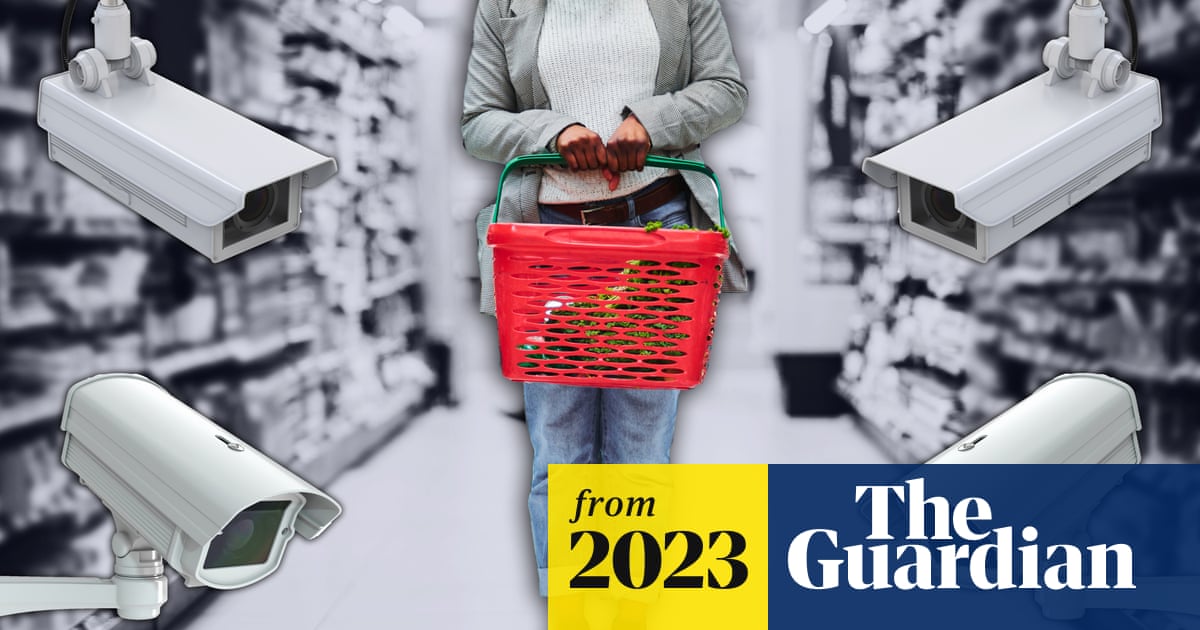
Australia's Cost of Living Crisis Fuels Woolworths Gate Debate
In a nation grappling with an escalating cost of living, Australian households are facing unprecedented financial pressures. From soaring rents to sky-high energy bills and fuel prices, the squeeze on household budgets is palpable. Amidst this challenging economic backdrop, a new phenomenon is emerging in supermarkets, sparking widespread debate and highlighting the desperation felt by many. Woolworths, one of Australia's largest grocery retailers, has introduced a controversial new security measure – automatic gates at self-service checkouts – designed to combat a worrying surge in retail theft. These controversial Woolworths gates are more than just a security upgrade; they are a stark symbol of a society grappling with economic hardship, raising questions about privacy, trust, and the very nature of the shopping experience.
The Gates Are Up: Understanding Woolworths' New Security Frontier
Woolworths has begun trialling an advanced security system aimed at curbing the growing problem of shoplifting, particularly at self-service checkouts. This innovative technology features rooftop sensors and automatic gates designed to regulate customer flow and ensure payment completion. Here's how it works:
- Digital ID Assignment: As a shopper enters the self-serve checkout area, overhead sensors detect their presence and assign them a unique digital ID.
- Status Monitoring: This digital ID is initially marked in red, indicating an uncompleted transaction. Upon successful payment, the ID turns green.
- Automated Exit: Once the system registers a green ID, the gates at the exit of the self-checkout area automatically open, allowing the customer to leave.
- Theft Deterrence: If the sensors detect any attempt to bypass payment or leave without completing a transaction, the gates remain closed, preventing exit.
The initial rollout began with stores in Fairfield, West Sydney, and has since expanded to include Wentworthville and Randwick Metro in NSW, as well as Moorabbin, Millers Junction, and Woodgrove in Victoria. Early reports, particularly from the Woolworths Camberwell store in Melbourne, highlighted the new entryways as a significant change to the shopping routine. While the intent is clear – to protect the retailer's bottom line – the implementation has generated considerable discussion among shoppers, staff, and commentators alike.
Shoplifting Surge: A Symptom of Deeper Economic Strain
The introduction of these highly visible security gates by Woolworths is not an isolated decision; it's a direct response to a worrying trend. The Australian Retailers Association (ARA) has identified stopping retail theft as a top priority, noting a "steady increase" in incidents. This rise in shoplifting isn't just impacting profits; it's also taking a severe toll on retail workers, contributing to mental health impacts, stress, and apprehension about potential confrontations.
Crucially, this surge in theft is deeply intertwined with Australia's pervasive cost of living crisis. A recent survey by Finder painted a stark picture, revealing that a staggering one in five Australians admitted to stealing essential items within the past 12 months. Richard Whitten, a money expert from Finder, explained the grim reality: “A lot of people are doing it tough as the cost of essentials like petrol, rent and energy have risen sharply.” He added, “The result is a growing subset of Australians who are stealing consumables to survive.”
This sentiment is echoed by frontline retail workers. One Victorian employee shared a poignant observation: “You get good people that are doing silly things. Some people are too proud to ask for money and then they steal and it’s really sad.” This candid reflection underscores the desperation driving some individuals to theft – not out of malice, but out of necessity and pride. The focus on stealing "staple items" or "consumables" further highlights that for many, this isn't about luxury goods, but about putting food on the table.
The Retailer's Dilemma: Balancing Security, Costs, and Customer Trust
For large retailers like Woolworths, the decision to implement advanced security measures like the security gates is a complex one, weighing the need to protect assets against potential impacts on customer experience and brand perception. The financial losses from retail theft are substantial, directly impacting the company's bottom line. These costs are ultimately passed on to consumers through higher prices, creating a vicious cycle where the very measures taken to combat theft could inadvertently contribute to the pressures that lead to it.
The rationale behind the gates is clear: deter theft, protect profits, and potentially reduce the need for staff to confront suspected shoplifters, thereby improving their safety and reducing workplace stress. However, the implementation has been met with significant backlash from shoppers. Many customers feel that the gates create an environment of suspicion, treating all shoppers as potential thieves. This shift in dynamic, from a trusting transaction to a guarded interaction, can erode customer loyalty and create frustration, particularly when the technology malfunctions or causes delays.
Navigating this delicate balance requires more than just installing technology. It demands clear communication, robust system reliability, and perhaps, a broader societal approach to the underlying economic issues. Without addressing the root causes of the shoplifting surge – the cost of living crisis itself – retailers may find themselves in an endless arms race, continuously escalating security at the expense of customer goodwill.
Public Reaction and the Future of the Shopping Experience
Since their introduction, the controversial Woolworths gates have copped heavy backlash. Social media has been awash with complaints, anecdotes of gates failing to open, and general dismay from shoppers who feel their trust is being undermined. For many, the self-checkout experience was designed for speed and convenience; the added hurdle of security gates, especially when they cause delays or perceived unfairness, undermines this original purpose.
The concern isn't just about inconvenience; it's about the psychological impact. Honest customers, who are the vast majority, don't appreciate being funnelled through a system designed to catch criminals. It creates an atmosphere of distrust and can make the simple act of grocery shopping feel like a chore rather than a pleasant necessity. Retailers must carefully consider the long-term impact on customer relationships and brand perception. While deterring theft is vital, alienating the loyal customer base could prove to be an even greater cost.
Looking ahead, it's clear that the Australian retail landscape is evolving. As technology advances and economic pressures persist, we may see a blend of security measures, customer service strategies, and perhaps even policy changes designed to alleviate the cost of living burden. The debate surrounding these gates highlights a pivotal moment for Australian supermarkets, forcing them to confront not just the challenge of theft, but the broader societal issues contributing to it.
Conclusion
The introduction of the controversial Woolworths gates is a potent symbol of the current economic climate in Australia. While these advanced security measures are a direct response to a significant increase in retail theft, they also underscore the profound impact of the cost of living crisis on everyday Australians. The debate surrounding these gates is multifaceted, touching upon issues of security, customer experience, privacy, and the stark realities faced by households struggling to make ends meet. As Woolworths continues its trials and refines its approach, the ongoing conversation will undoubtedly shape the future of shopping, serving as a powerful reminder that economic hardship can ripple through society in unexpected and challenging ways, even down to the simple act of buying groceries.