Woolworths' Controversial Anti-Theft Gates: Explained
Australians are increasingly encountering a significant shift in their local Woolworths stores, particularly at the self-checkout aisles, where new anti-theft gates have begun to appear. These controversial Woolworths gates represent a bold, yet divisive, move by the supermarket giant to combat a mounting wave of retail theft. While designed to secure valuable stock and protect profits, their implementation has sparked considerable debate among shoppers, staff, and industry experts alike. This article delves into the mechanics of these new security measures, the underlying reasons for their introduction, the widespread backlash they've triggered, and what this means for the future of the Australian shopping experience.The Technology Behind the Gates: How They Work
The new security system trialled by Woolworths integrates advanced technology to monitor and control customer exits from self-service checkout areas. Far from a simple turnstile, this sophisticated setup relies on a combination of sensors and intelligent software.Understanding the "Digital ID" System
As shoppers enter the designated self-service checkout zone, an array of rooftop sensors springs into action. These sensors detect the presence of individuals and assign each shopper a unique "digital ID." Initially, this digital ID is marked in red, signifying an uncompleted transaction. The system then tracks the shopper's movements within the area and, crucially, monitors their progress through the payment process.
From Red to Green: The Exit Process
The goal for every shopper is to have their digital ID transition from red to green. This change signifies that all items have been scanned and payment has been successfully completed. Once the system registers a green ID, the automatic gates, strategically positioned at the exit of the self-checkout area, will promptly open, allowing the customer to leave. The process is designed to be seamless for legitimate shoppers.
Blocking Exits: When the Gates Stay Shut
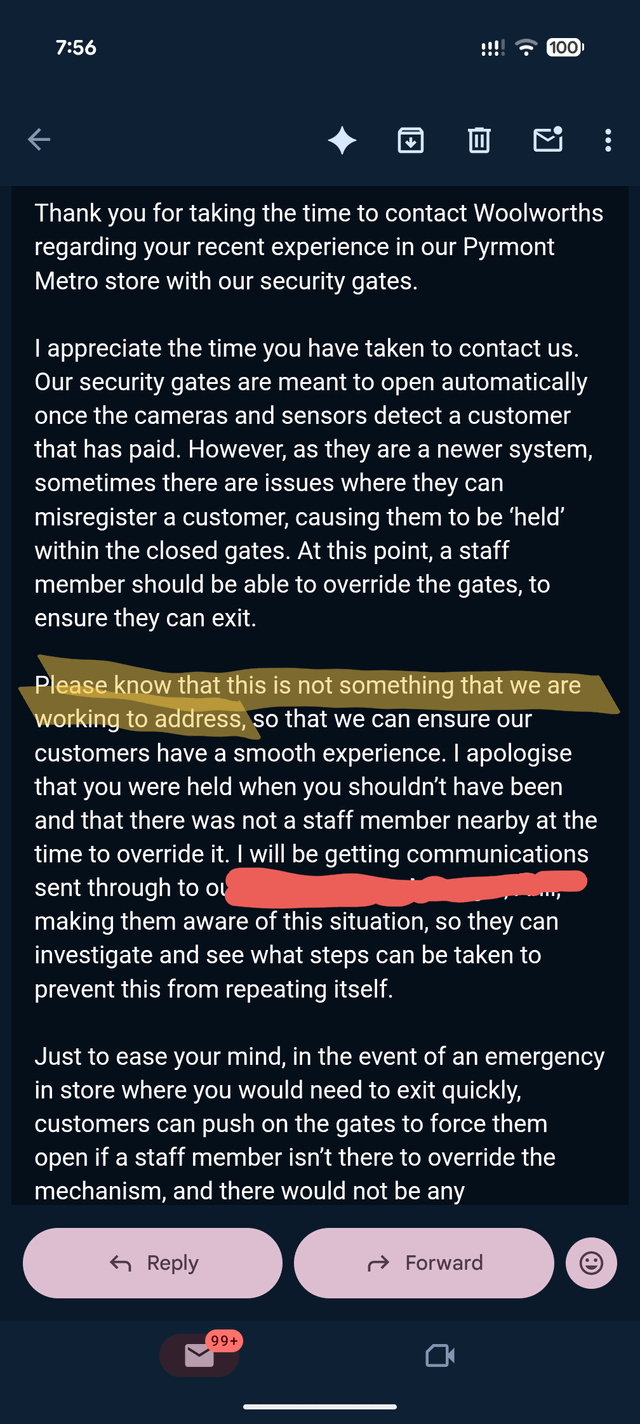
The contentious aspect arises when the sensors detect suspicious activity. If a shopper attempts to bypass scanning items, leaves without completing payment, or if the system otherwise identifies an incomplete transaction, the gates will remain closed. This physical barrier prevents exit, effectively blocking individuals from leaving the store with unpaid goods. This is where the core of the controversy lies, as it can lead to friction and discomfort for shoppers, even those who may have made an honest mistake.
Trial Locations and Rollout
The implementation of these security gates began with trials in several key locations. Early reports indicated the first appearance at Woolworths Camberwell in Melbourne. Other pilot stores include Fairfield, West Sydney, and subsequently Wentworthville and Randwick Metro in NSW, along with Moorabbin, Millers Junction, and Woodgrove in Victoria. The gradual rollout across these diverse locations suggests a cautious, data-driven approach by Woolworths to assess the system's effectiveness and address initial concerns before a broader deployment.
Why the Gates? The Shoplifting Epidemic and Its Impact
The introduction of these controversial Woolworths gates is not an arbitrary decision but a direct response to a significant and growing problem: retail theft. Supermarkets, like other retail sectors, have seen an alarming surge in shoplifting, compelling them to invest in robust security measures.A Steady Increase in Retail Theft
Industry experts, including Fleur Brown, Chief Industry Affairs Officer for the Australian Retailers Association, have highlighted a "steady increase" in retail theft. This isn't just about minor incidents; the cumulative effect has a substantial impact on retailers' bottom lines. The financial strain of lost goods can force price increases, ultimately affecting all consumers.
Beyond the financial toll, there's a profound human cost. Retail staff are on the front lines, often facing confrontations and experiencing significant stress. Brown noted the "mental health impacts, stress, there’s apprehension about attacks" that staff endure, underscoring the serious nature of the problem. For more on this, read Shoplifting Surge: Why Woolworths Is Installing New Security Gates.
The Cost-of-Living Crisis as a Catalyst
A crucial factor fueling this rise in theft is Australia's escalating cost-of-living crisis. With essentials like petrol, rent, and energy prices soaring, many households are finding it increasingly difficult to make ends meet. A startling survey from Finder revealed that 1 in 5 Australians admitted to stealing staple items in the past 12 months.
Richard Whitten, a money expert at Finder, explained, "A lot of people are doing it tough as the cost of essentials... have risen sharply. The result is a growing subset of Australians who are stealing consumables to survive." This difficult reality paints a more nuanced picture of the issue, as acknowledged by a Victorian retail worker: "You get good people that are doing silly things... Some people are too proud to ask for money and then they steal and it’s really sad." While not excusing theft, this perspective highlights the societal pressures contributing to the problem Woolworths is attempting to address.
The Controversy and Shopper Backlash
Feeling Treated Like a Criminal
The primary complaint from customers revolves around the feeling of being treated as a potential thief. Even for honest shoppers, the physical barrier and the system's scrutiny can create an atmosphere of distrust. Many feel that the system implies guilt until proven innocent, rather than the other way around. This can erode customer loyalty and foster resentment.
- Psychological Impact: For regular, law-abiding customers, the gates can be a source of anxiety, adding an unnecessary layer of stress to their shopping routine.
- Loss of Trust: The very presence of the gates can communicate a message that Woolworths no longer trusts its customers, potentially damaging the customer-retailer relationship.
Inconvenience and Potential for False Positives
While the system aims to be seamless for legitimate transactions, there's a natural concern about false positives or technical glitches. What if the sensor malfunctions? What if a payment takes an extra second to process? Such scenarios could lead to the gates remaining closed for an innocent shopper, causing embarrassment, delays, and frustration. The added step of verification, even if quick, can also disrupt the flow of busy shoppers, especially during peak hours. Long queues and unnecessary delays at the exit can quickly sour the shopping experience.
Privacy Concerns
Although not explicitly detailed in the initial context, any system that assigns a "digital ID" and monitors movement raises inevitable questions about data privacy. While Woolworths would likely clarify that these IDs are anonymous and only tied to the current transaction, the mere concept of being digitally tracked within a store can be unsettling for some consumers. The balance between security and individual privacy is a growing concern in the digital age, and these gates place it squarely in the retail spotlight. For more on this debate, see Australia's Cost of Living Crisis Fuels Woolworths Gate Debate.
Navigating the New Reality: Tips for Shoppers and the Future Outlook
As the controversial Woolworths gates become a more common feature, both shoppers and retailers will need to adapt. Understanding the system and adjusting habits can help mitigate some of the frustrations.Tips for Shoppers
To ensure a smooth exit and avoid any unnecessary delays or awkward situations, consider these practical tips:
- Scan Carefully: Double-check that every item has been successfully scanned. Listen for the beep and confirm the item appears on the screen.
- Confirm Payment: Ensure your payment method has been fully processed and you receive confirmation. Don't rush away from the terminal until the transaction is complete.
- Be Patient: Allow the system a moment to register your completed payment. Rushing might lead to the gates staying closed.
- Seek Assistance: If the gates remain closed despite a completed payment, or if you encounter any scanning issues, immediately seek assistance from a Woolworths staff member. They are there to help resolve technical glitches or misunderstandings.
- Understand the System: Acknowledge that the gates are a security measure. While they may be inconvenient, they are a response to a genuine problem faced by retailers.
The Future of Retail Security
The implementation of these gates at Woolworths is indicative of a broader trend in retail. As technology advances and shoplifting pressures persist, we can expect to see more innovative and sometimes intrusive security measures. Retailers are constantly seeking a balance between loss prevention and maintaining a positive customer experience.
The ongoing debate surrounding the controversial Woolworths gates highlights a critical juncture for the retail industry. It forces a conversation about societal challenges, ethical considerations in surveillance, and the evolving relationship between businesses and their customers. The success or failure of these gates, and how Woolworths manages the public's reaction, will undoubtedly influence future security strategies across the sector.
Ultimately, while the gates aim to deter theft and protect profits, their long-term impact on customer perception and loyalty remains to be seen. The challenge for Woolworths, and indeed for all retailers, is to implement effective security without alienating the very customers they seek to serve.